DTF Inks & Cleaning Solution — CMYK, White Ink & Printhead Cleaner
The consumables that decide whether your DTF printer runs or stalls. DTF inks in CMYK and White, plus printhead cleaning solution for daily maintenance and deep clean cycles. Compatible with Epson i3200-A1, i1600, 4720, XP600 and other water-based DTF printheads in Allwin, Stormjet, Sinocolor, Yuxunda, Fedar, Potry, Oric and other DTF printer platforms. Same-day shipping from our Doral, Florida warehouse on orders placed before 2 PM EST.
Pair with matched DTF printheads, dampers, capping stations, DTF film, and Hoson boards & DTF electronics.
Frequently Asked Questions
Why is DTF white ink so much harder to manage than CMYK — and what does it do to my printhead if I get it wrong?
DTF white ink contains titanium dioxide pigment at heavy concentration to deliver the opaque white base that transfers print to dark fabrics. TiO2 is dense — it settles faster than any other ink pigment. Three things happen if white ink is mishandled: (1) Settling: white ink that sits in lines or tanks for 24+ hours separates, with pigment dropping to the bottom. Restarting prints pumps the watery top layer first, then the concentrated sludge, which clogs nozzles. White ink lines should be circulated daily. (2) Damper failure: the damper filter on the white channel clogs 2–3× faster than CMYK dampers. Buy white-channel dampers in pairs. (3) Nozzle wear: white-channel nozzles wear first because TiO2 is abrasive. White nozzles are the first to drop out and the hardest to recover. Daily white-channel agitation and disciplined cleaning cycles extend printhead life by months.
Can I switch DTF ink brands without damaging my printhead?
Switching DTF ink brands without flushing is the #1 cause of "the new ink killed my head" support tickets — and the head usually wasn't killed by the new ink, but by the chemical incompatibility between old and new ink residues. Different DTF ink formulations use different surfactants, humectants and bonding agents. When two formulations mix in the printhead's internal ink path, they can precipitate (form solid particles) or destabilize the pigment dispersion, clogging nozzles and damping channels within hours. The right way to switch brands: (1) Drain all ink lines and tanks. (2) Run a full system flush with manufacturer-approved cleaning solution for both old and new inks. (3) Refill with new ink and run 3–5 cleaning cycles before printing. (4) Don't reverse: once you've switched, don't switch back without another flush. Most DTF shops standardize on one ink brand for this reason. If you must switch, plan a full flush day — don't try to bridge brands by topping off.
What does DTF cleaning solution actually do — and when do I use it vs water?
DTF cleaning solution is engineered to dissolve water-based DTF ink residues without damaging printhead nozzle plates or actuator membranes. Plain water will NOT work for DTF cleaning because DTF inks contain humectants designed to resist water-based dilution. Three use cases: (1) Daily maintenance flush — small volume (~50ml) through capping station to clear residual ink before parking. (2) Deep clean cycle — used when nozzles have partial dropouts. Soaks for 5–15 minutes via cleaning cycle, dissolves dried ink, restores nozzle output. (3) Brand-switch flush — full system drain and refill with cleaning solution before introducing a new ink brand (see brand-switching FAQ above). Cleaning solution is NOT a substitute for the daily white-channel circulation that white ink needs — it's a printhead cleaner, not an anti-settling agent.
How long does DTF ink last — and how do I tell if mine has expired?
DTF ink has a shelf life of 6–12 months from manufacture date, sealed and stored at room temperature (away from sunlight and heat). Open bottles last 3–6 months once exposed to air. Signs that DTF ink has degraded: (1) Hard-pack settling — pigment that won't redisperse with normal agitation. If you shake a white ink bottle and it stays cloudy in the upper third while remaining thick at the bottom, the dispersion has broken. (2) Color shift — CMYK inks that no longer match printed targets, even after fresh head cleanings. (3) Persistent nozzle dropouts after recent printhead cleaning suggests the ink is depositing precipitate. (4) Visible particles or contamination when poured. The risk of using old ink: degraded ink causes the same kind of head damage as wrong-brand contamination — clogged nozzles, damper wear, and eventually printhead replacement. Buy DTF ink in quantities you'll use within 6 months; don't stockpile.
Are these DTF inks compatible with my Allwin/Stormjet/Sinocolor/Yuxunda DTF printer?
Generally yes — DTF inks sold by Digiprint USA are formulated for the Epson i3200-A1, i1600, 4720 and XP600 printhead platforms used in essentially all current Chinese DTF printers (Allwin, Stormjet, Sinocolor, Yuxunda, Fedar, Potry, Oric, Audley, Erasmart, Hanrun, Procolored, DTFPro and others). The printhead — not the printer brand — is what determines ink compatibility. That said: if your current ink is performing well with your specific machine and ink-handling system, switching to a different supplier still requires a full flush procedure (see brand-switching FAQ). Contact us with your printer make/model and current ink brand if you want supplier-specific advice before placing an order.
What is the return policy on DTF ink and cleaning solution?
DTF inks and cleaning solutions are consumables. Sealed, unopened bottles are eligible for store credit only, not a refund to the original payment method. Opened bottles cannot be returned or exchanged — once the seal is broken, the product is no longer resellable. Inspect your delivery on arrival; shipping damage (leaked or compromised bottles) must be reported within 48 hours with photo documentation. See our full refund and return policy.
Filters
2 products
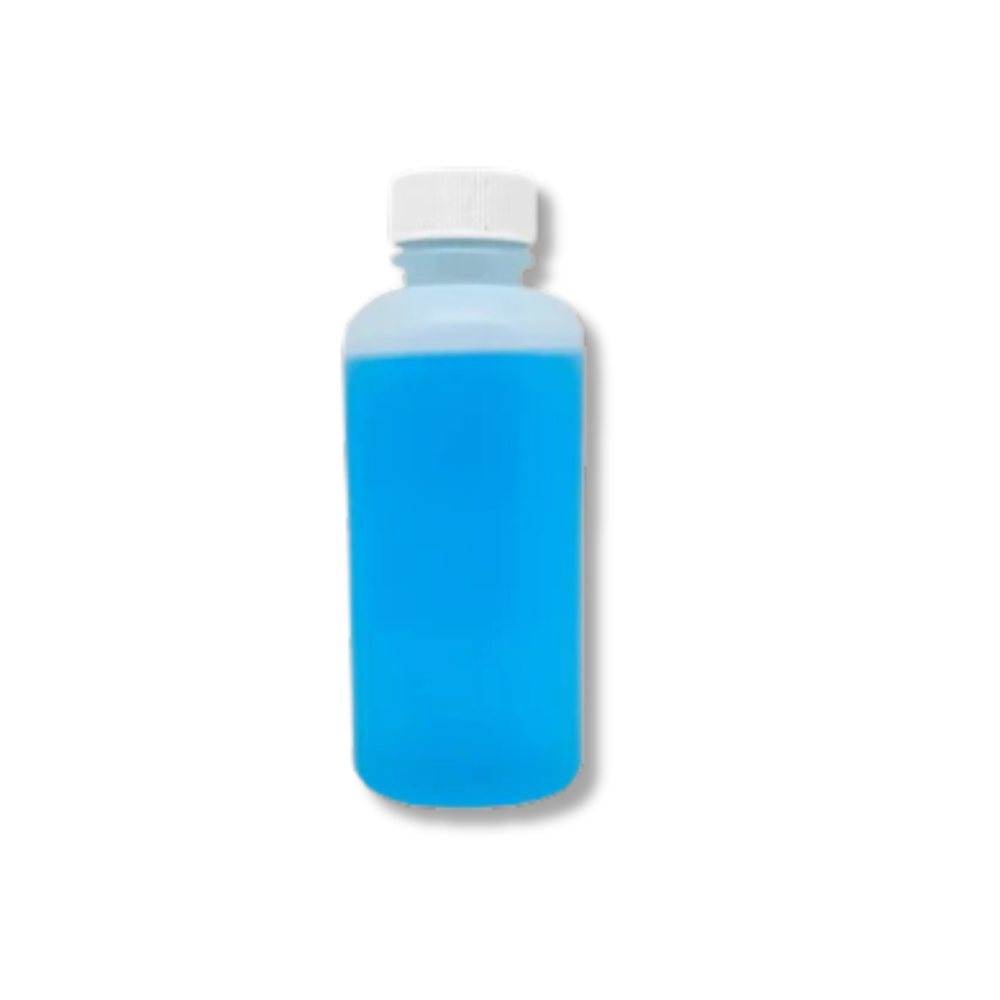
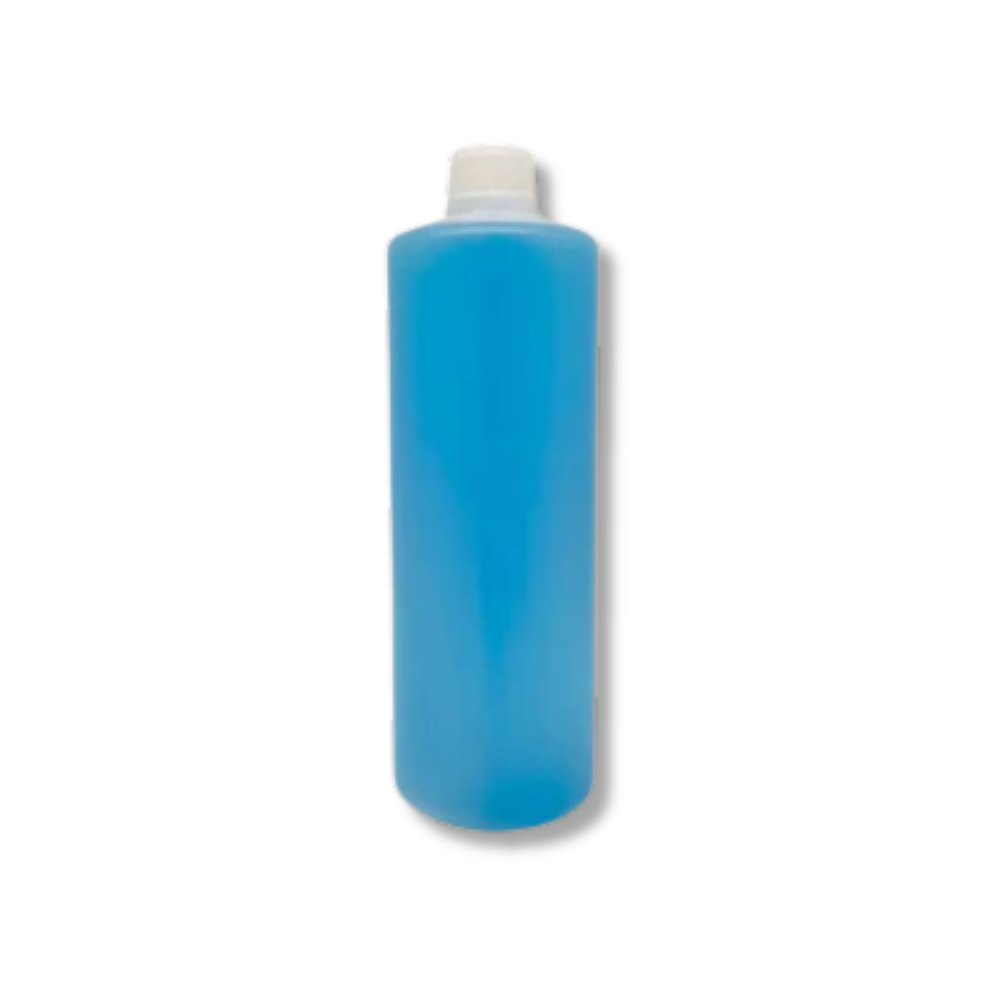
DTF Strong Print Head Cleaning Maintenance Solution
Sale price$19.50 USD
Regular price$25.00 USD
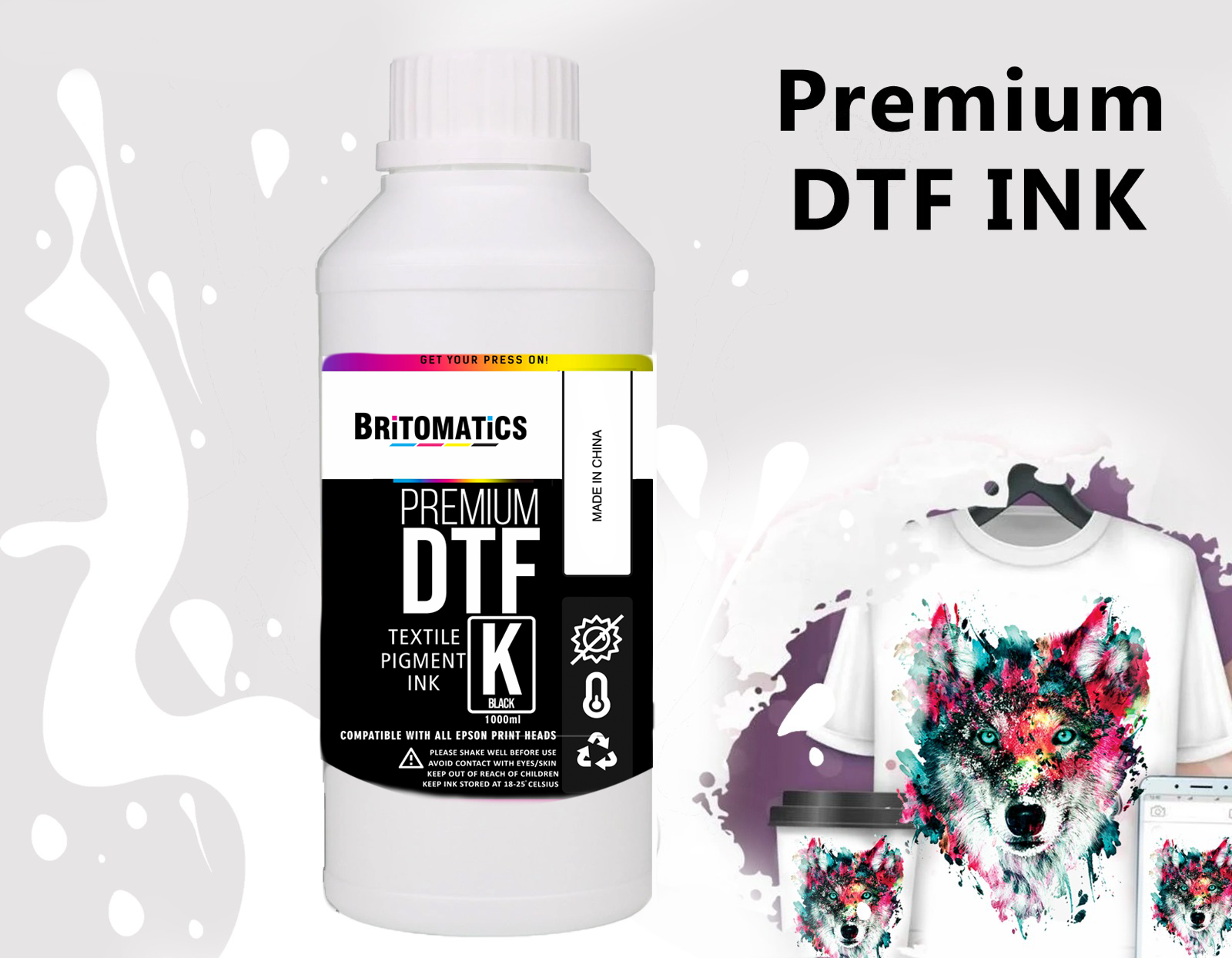
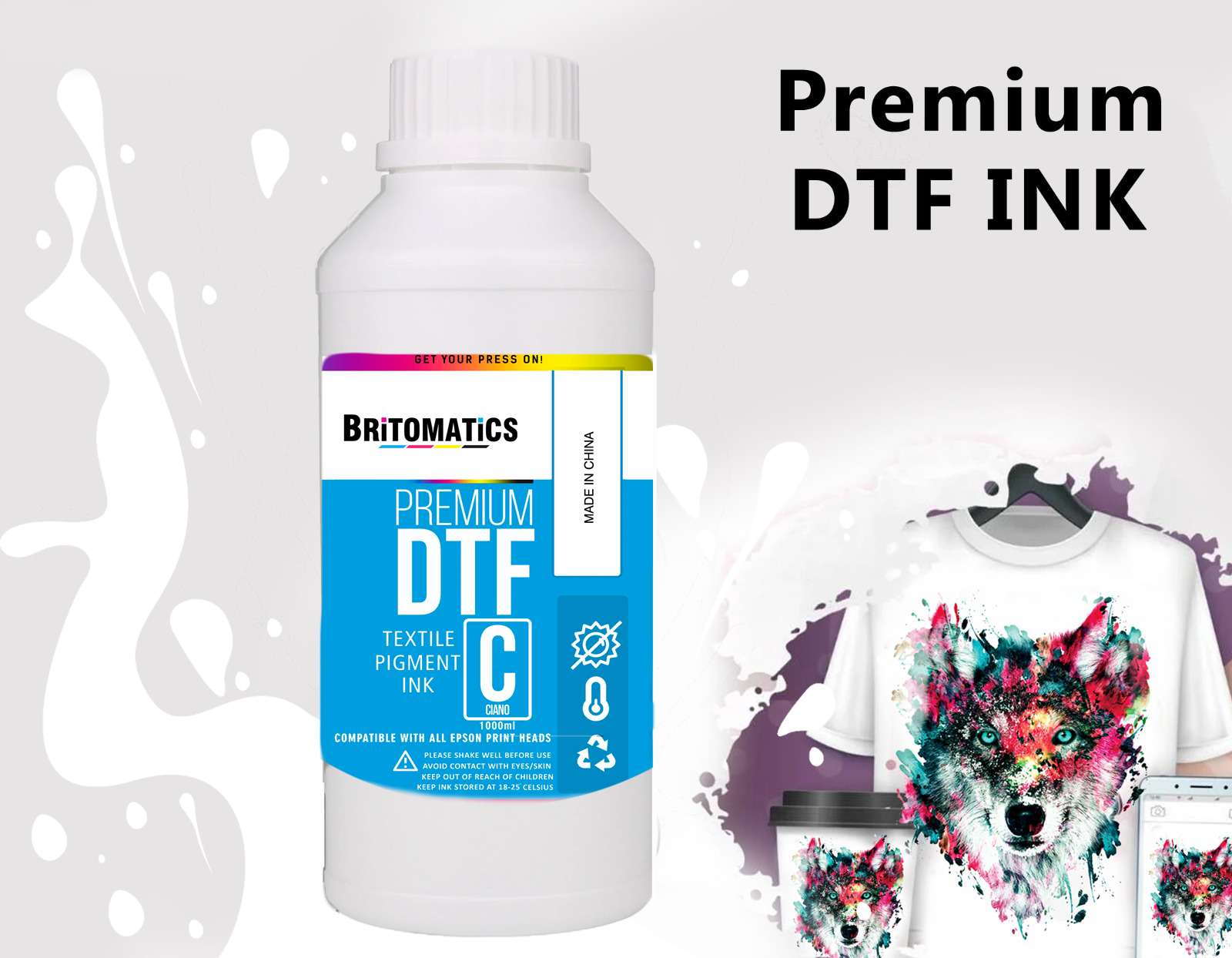
Direct to Transfer Film Ink for Epson printheads (DTF inks)
Sale price$40.00 USD
Regular price$79.00 USD