DTF Film — Hot Peel & Cold Peel Transfer Film for Direct-to-Film Printing
The transfer media that carries your DTF print from printer to garment. Hot peel and cold peel DTF film in rolls and sheet packs, in widths matched to every common DTF printer platform (13", 17", 24", 30", 60"). Compatible with all major DTF printer brands using Epson i3200-A1, i1600, 4720 and XP600 printheads — Allwin, Stormjet, Sinocolor, Yuxunda, Fedar, Potry, Oric and more. Same-day shipping from our Doral, Florida warehouse on orders placed before 2 PM EST.
Complete your DTF setup with DTF printheads, DTF inks & cleaning solution, and Hoson boards & DTF electronics.
Frequently Asked Questions
Hot Peel vs Cold Peel DTF film — which one should I use?
This is THE first decision every DTF operator makes, and the right answer depends on your production volume and design complexity. Hot Peel — peel the film off the garment immediately after pressing while still hot. Pros: faster production cycle (no waiting), no separate cool-down station needed, ideal for high-volume runs. Cons: can lift fine details, requires precise press temperature and timing, less forgiving on first attempts. Best for solid graphics, larger artwork, single-color and bold-color designs. Cold Peel — wait for the film to fully cool before peeling (typically 30–60 seconds after press). Pros: sharper detail on fine lines and small text, more forgiving of press technique, better ink adhesion on complex multi-color designs. Cons: slower production cycle, requires staging space for cooling transfers. Best for detailed artwork, photo-quality designs, fine lettering, and operators still learning DTF. Most shops keep both — Hot Peel for bulk apparel runs, Cold Peel for premium detail work.
What film width and roll length should I order for my DTF printer?
Match film width to your printer's print width PLUS minimum 1" margin. Common configurations: 13" film for A3 and entry-level DTF printers (XP600, i1600 small builds). 17" film for mid-size DTF printers (most common single-i3200 DTF builds). 24" film for production single-head i3200 machines. 30" and 60" film for dual-head and four-head DTF production lines (Hoson 2-head and 4-head builds). Roll lengths: 100m rolls for low-volume shops, 200m and 300m rolls for mid-volume production, 500m+ rolls for high-volume operations. Sheet packs (A3, A4) are available for shops without roll printers or for testing new designs. Stocking guidance: film at the wrong width is wasted material — never trim wider film down to fit a narrower printer (the edges fray and contaminate the print). Order the exact width for your machine. Most production shops keep 30 days of film on hand minimum.
Is DTF film compatible with my Allwin, Stormjet, Sinocolor, Yuxunda or other Chinese DTF printer?
Yes. DTF film sold by Digiprint USA is compatible with all DTF printers built around standard Epson printhead platforms — i3200-A1, i1600, 4720, XP600 — which covers essentially every modern Chinese DTF printer (Allwin, Stormjet, Sinocolor, Yuxunda, Fedar, Potry, Oric, Audley, Erasmart, Hanrun, Procolored, DTFPro and others). What determines compatibility is not the printer brand but: (1) film width matched to the machine, (2) hot vs cold peel matched to your production workflow, and (3) film thickness matched to your application (75µm standard, 100µm for premium hand feel on apparel).
What thickness DTF film should I use — 75µm or 100µm?
DTF film thickness affects both production behavior and final transfer hand feel. 75µm (standard) — the workhorse thickness for most DTF production. Good ink absorption, reliable powder adhesion, cost-effective, easier to feed through all printer types. Standard choice for general apparel work, promotional items, and bulk production. 100µm (premium) — thicker base PET layer, slightly stiffer film. Benefits: better feeding stability on production lines (less curl, fewer paper jams), slightly improved release on cold-peel applications, premium "hand feel" on the finished transfer because of cleaner ink layer deposition. Tradeoffs: higher cost per square meter, may not feed correctly on smaller XP600 or i1600 machines designed for thinner film. Default recommendation: 75µm for most operations; upgrade to 100µm only if you're running premium apparel where transfer hand feel is a selling point or if you experience film-feeding issues on production runs.
How should I store DTF film, and what's the shelf life?
DTF film is sensitive to humidity, light, and temperature swings — improper storage degrades the release coating before the film even gets used. Storage requirements: (1) Keep film sealed in its original packaging until use; partial rolls should be re-wrapped in plastic or stored in airtight bags. (2) Store at 40–80°F (5–25°C) — avoid garages, warehouses without climate control, and direct sunlight. (3) Keep humidity under 60% — humid storage causes the release coating to absorb moisture and adhere unevenly to ink. (4) Store rolls horizontally or vertically on shelves — never on edge under their own weight (causes coating compression). Shelf life: properly stored unopened DTF film lasts 12–18 months. Opened film should be used within 90 days for best results. Signs of degraded film: spotty ink absorption, irregular powder adhesion, transfer lifting after pressing, or visible coating discoloration. If older film is producing inconsistent results, the film — not the printer or ink — is likely the cause.
What is the return policy on DTF film?
DTF film is a consumable. Sealed, unopened rolls and sheet packs are eligible for store credit only, not a refund to the original payment method. Opened rolls cannot be returned or exchanged — once the seal is broken, the film is no longer resellable. Inspect your delivery on arrival; shipping damage (crushed rolls, water exposure, torn packaging) must be reported within 48 hours with photo documentation. See our full refund and return policy.
Filters
5 products
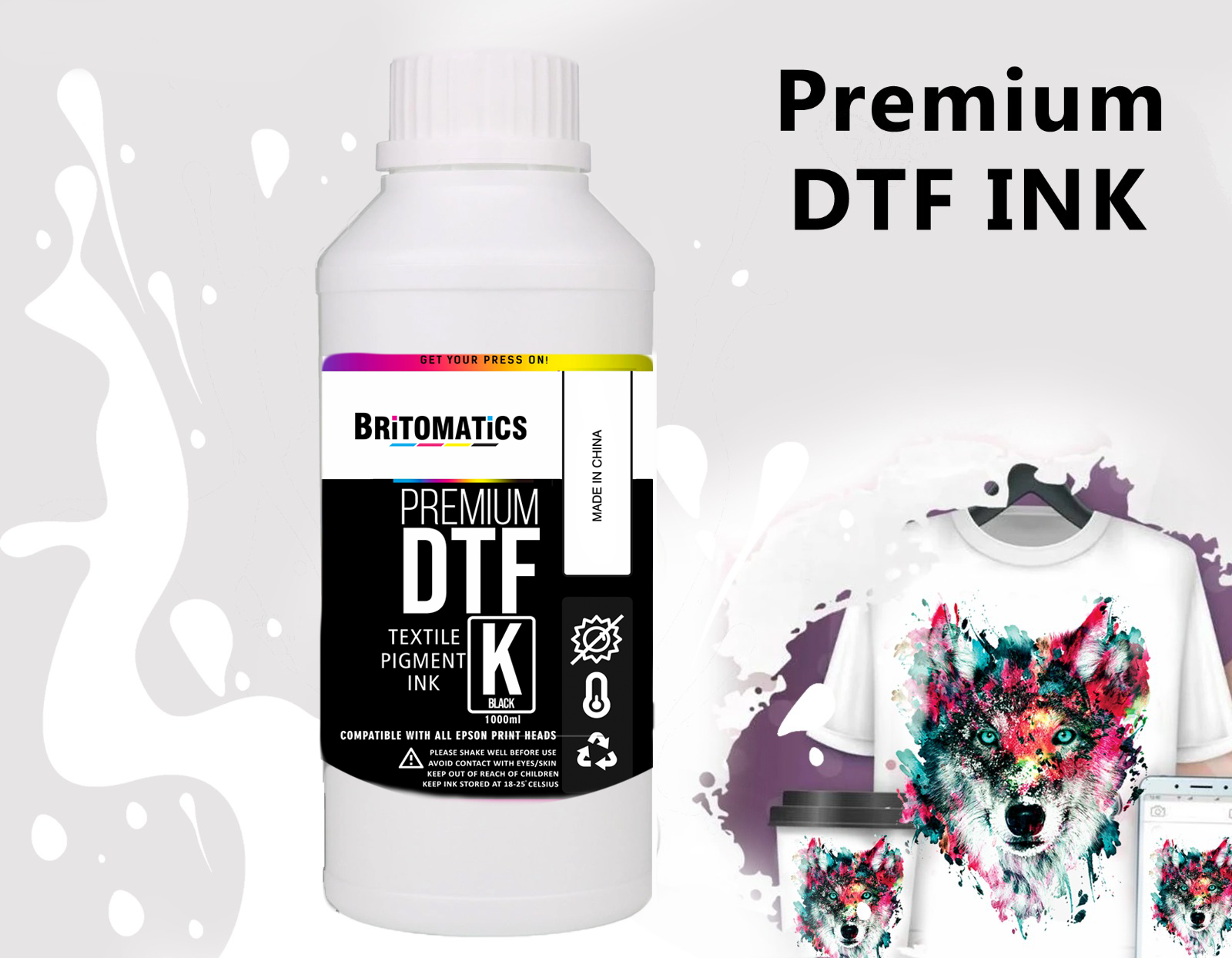
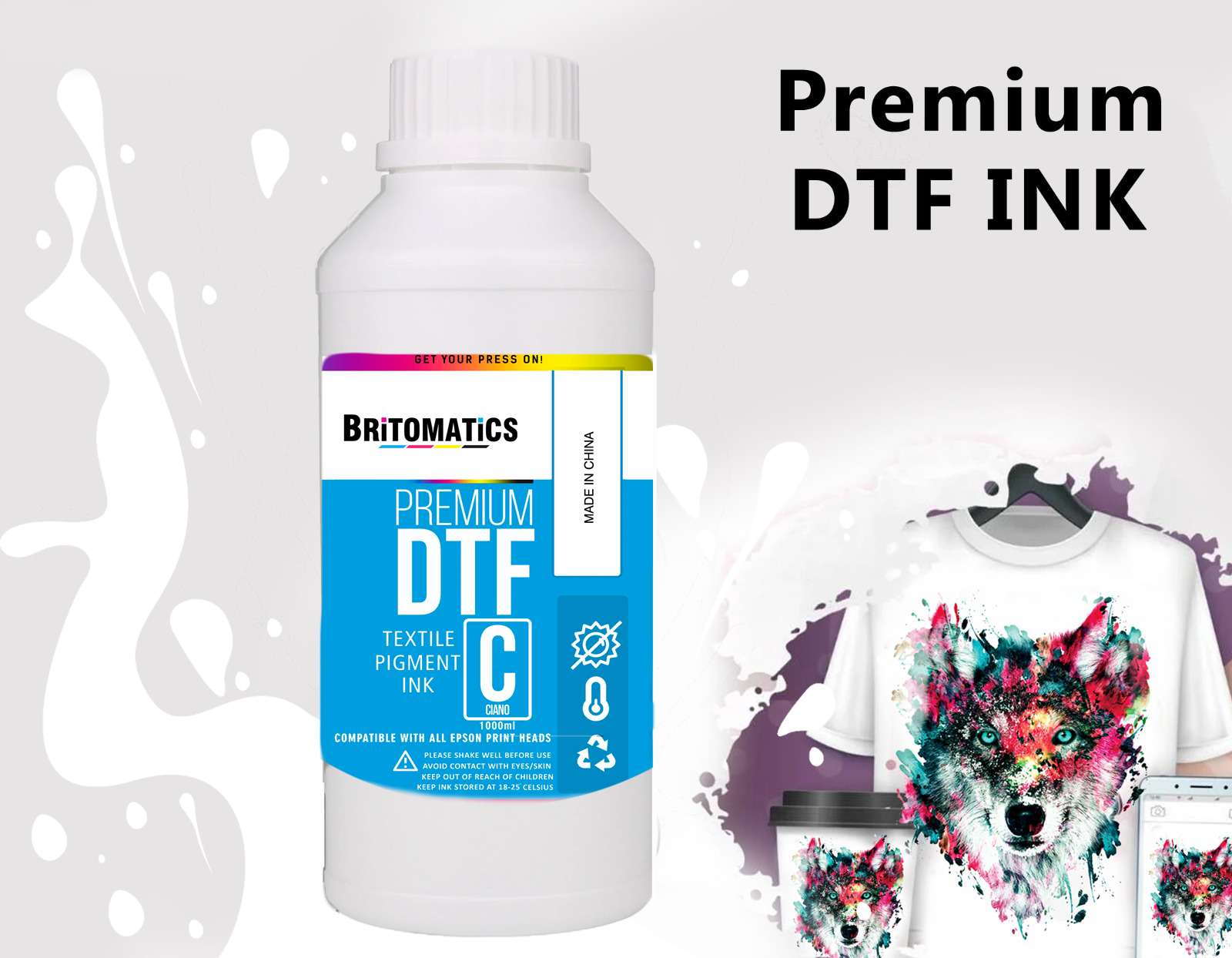
Direct to Transfer Film Ink for Epson printheads (DTF inks)
Sale price$40.00 USD
Regular price$79.00 USD
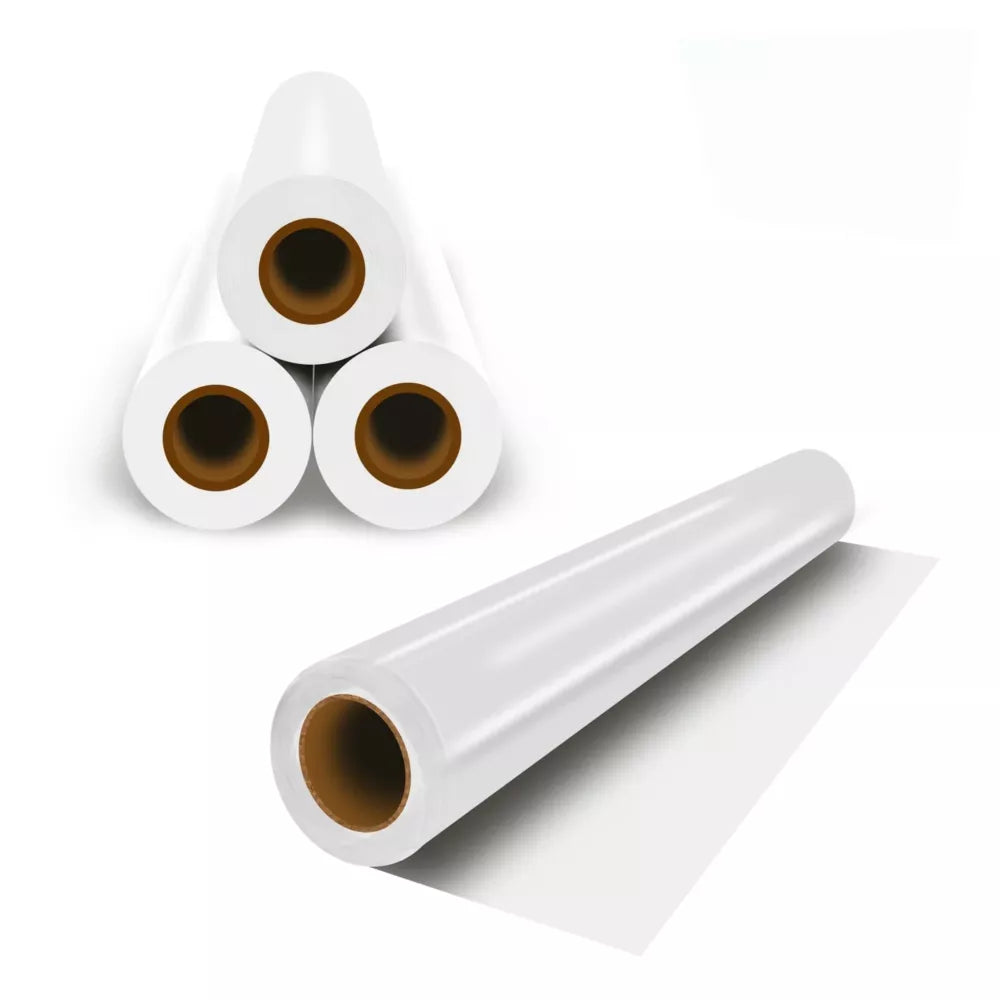
DTF Double Matte Hot Peel Film 24in x 328ft
Sale price$95.00 USD
Regular price$160.00 USD
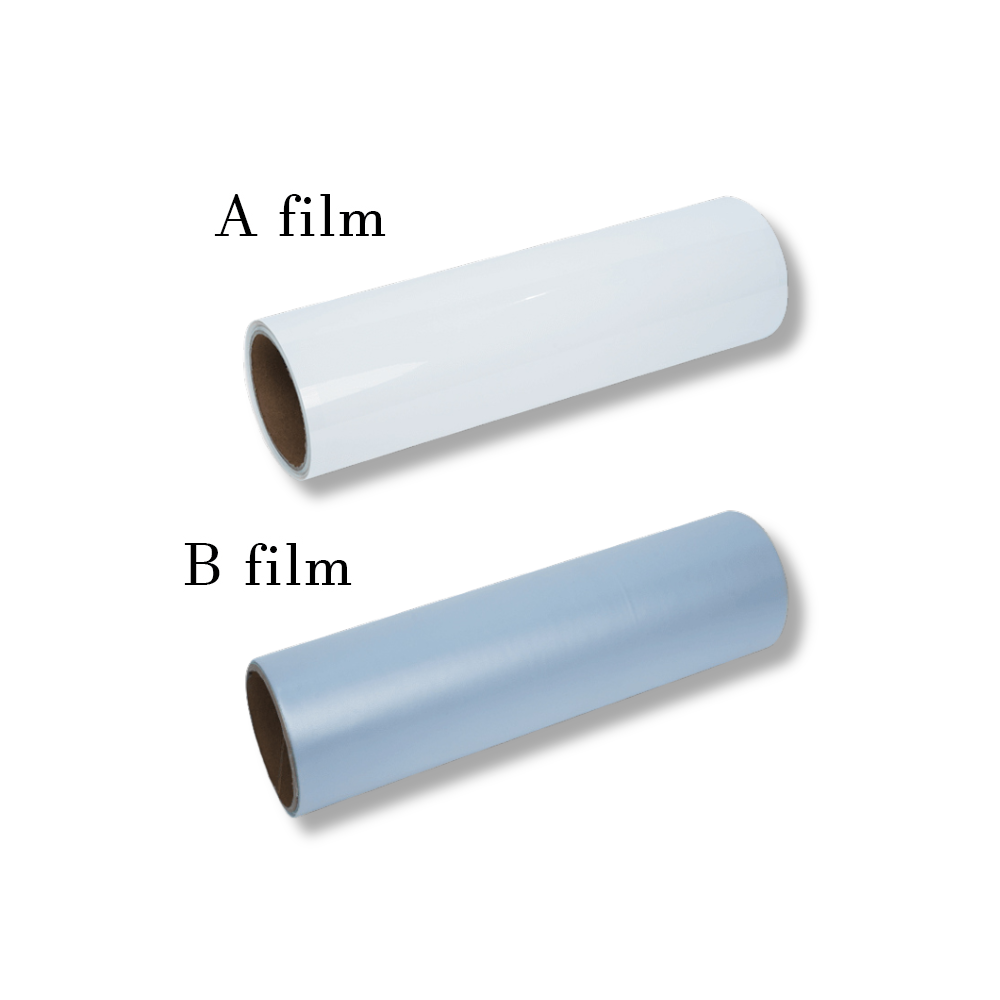
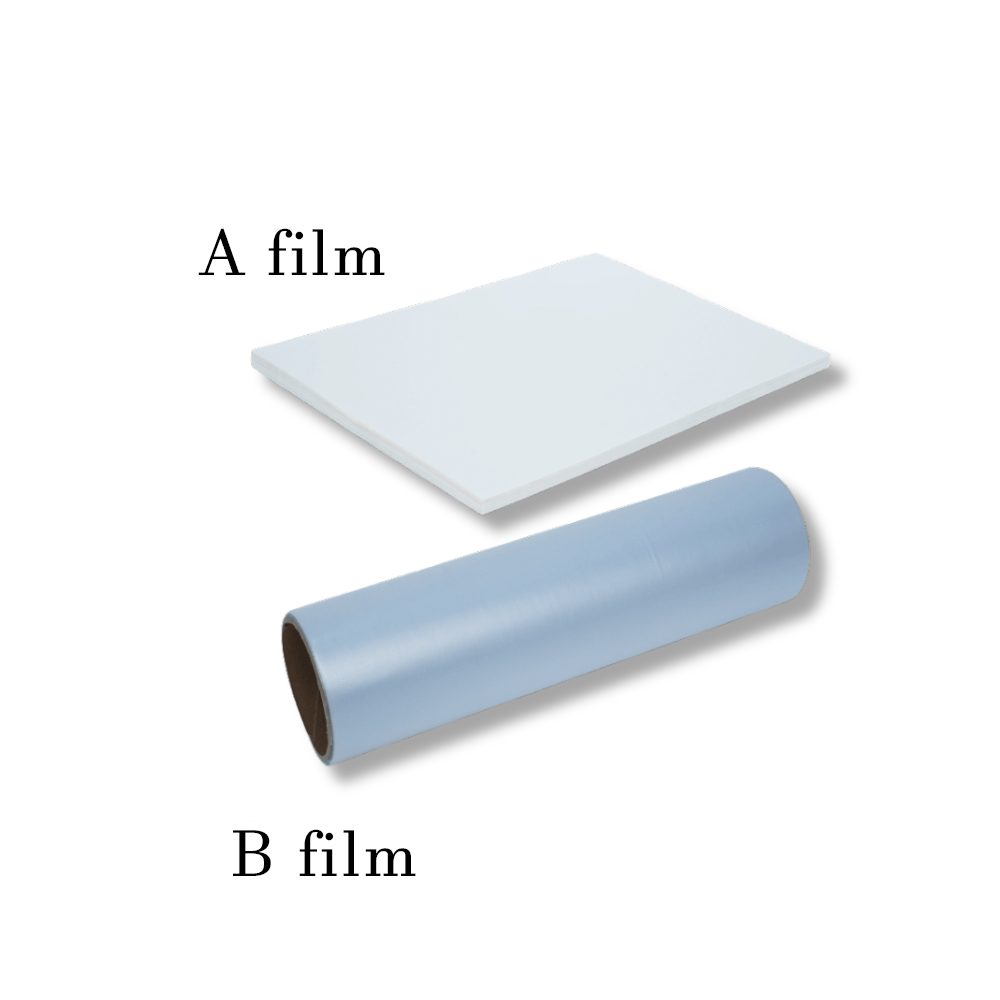
UV DTF Premium Film A+B 12 Inch x 328ft
Sale price$225.00 USD
Regular price$300.00 USD
DTF Double Matte Cold Peel Film 24in x 328ft
Sale price$85.00 USD
Regular price$160.00 USD
UV DTF Premium Film A+B 24 Inch x 328ft
Sale price$330.00 USD
Regular price$430.00 USD