 }
} }
}UV DTF Premium Film A+B 24 Inch x 328ft
Brand: Epson
Tax excluded. Shipping calculated at checkout
Availability: In stock
%20is%20a%20complete%20two-film%20set%20%E2%80%94%20Film%20A%20(printable%20layer)%20and%20Film%20B%20(adhesive/carrier%20layer)%20%E2%80%94%20for%20applying%20UV-cured%20designs%20to%20hard,%20rigid%20surface...
)
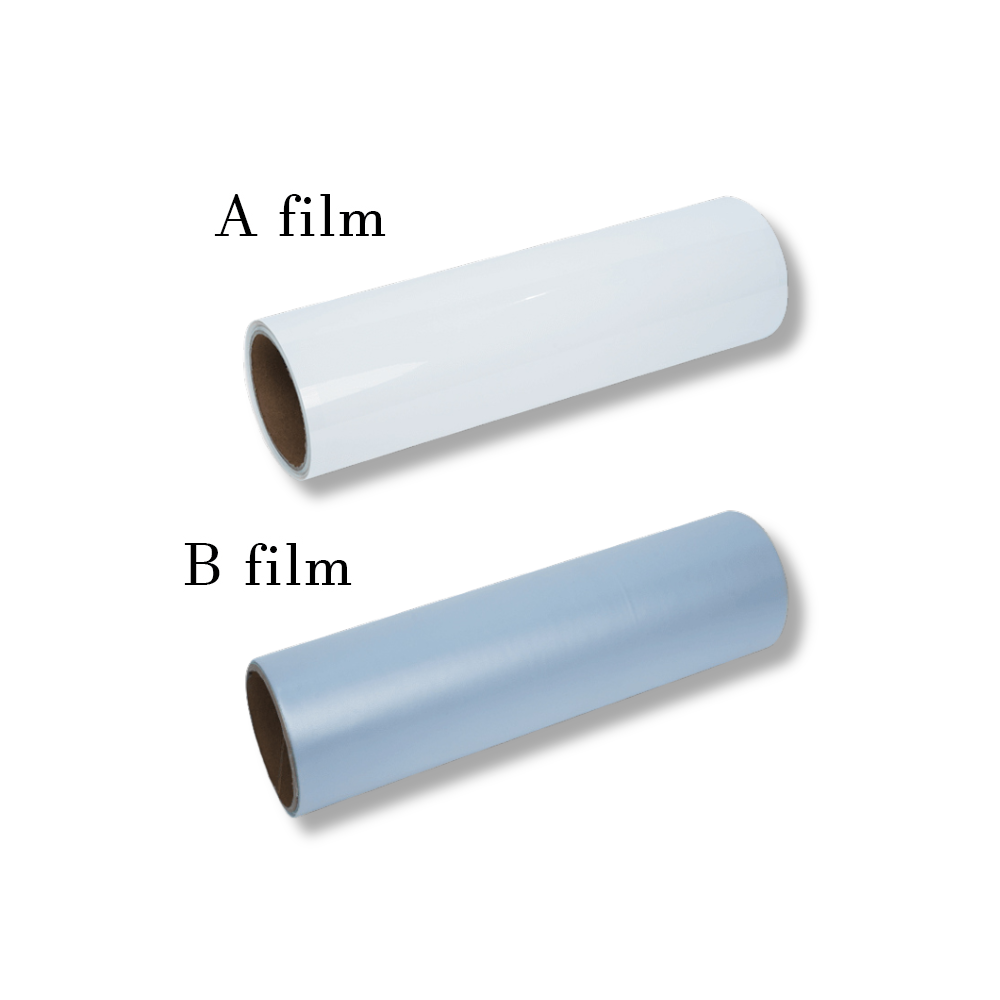
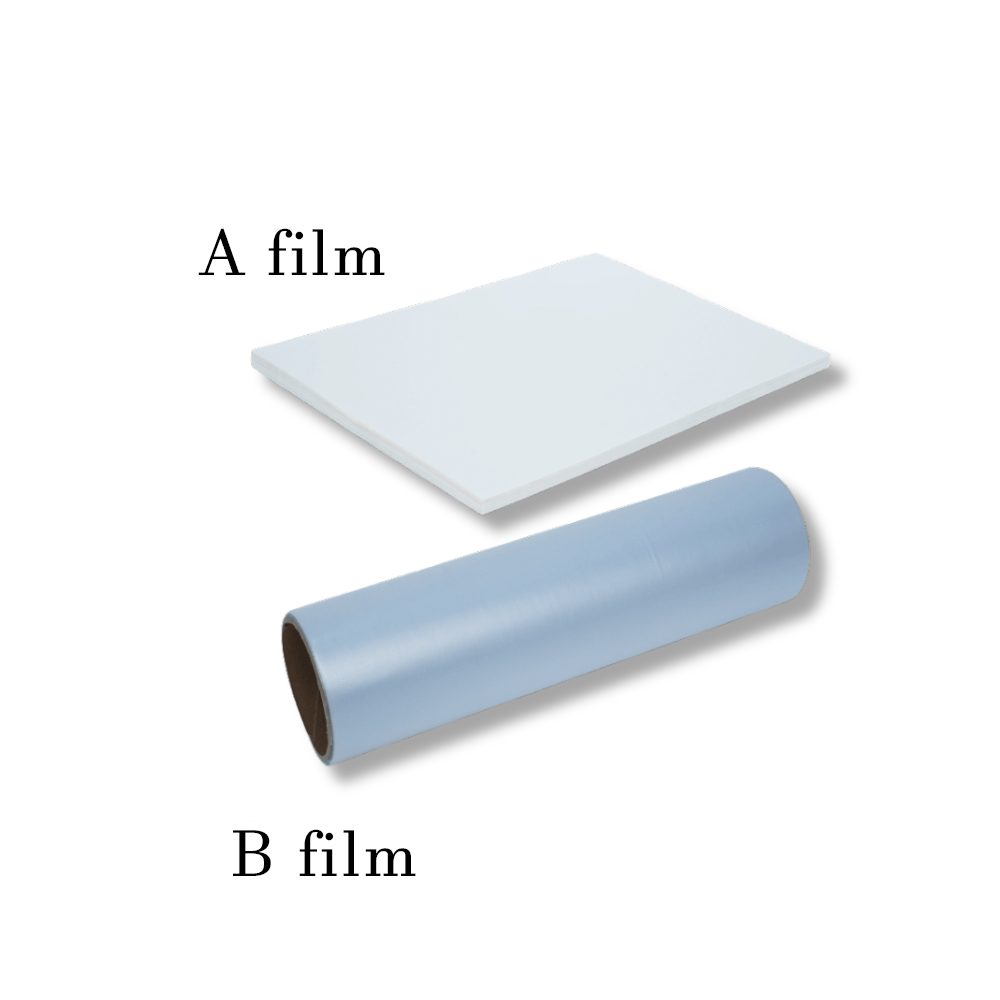
UV DTF Premium Film A+B (24" × 328ft / 60cm × 100m) is a complete two-film set — Film A (printable layer) and Film B (adhesive/carrier layer) — for applying UV-cured designs to hard, rigid surfaces without a heat press. The 24" width is suited to all standard 24" (60cm) UV DTF roll printers and UV flatbed printers with roll-feed capability. This listing includes both Film A and Film B — everything needed for the complete UV DTF transfer process. No additional films required. Compatible with all 24" UV DTF printers using Epson i3200-U1, XP600-based UV systems, and other UV-curable ink printhead platforms.
This listing includes both Film A and Film B — a complete A+B set. Film A is the printable layer onto which the UV printer deposits ink. Film B is the adhesive/carrier film laminated over Film A that transfers the design to the hard surface. Both rolls are included — order one set for a complete UV DTF production setup. The 24" width matches all standard 24" UV DTF printer configurations.
Product Details
| Specification | Detail |
|---|---|
| Width | 24 inches (60cm) |
| Length | 328 feet (100 metres) per roll |
| Kit contents | Film A (printable) + Film B (adhesive/carrier) — both rolls included |
| Material | PET (polyethylene terephthalate) |
| Film A thickness | 75µm (0.075mm) — printable layer |
| Film B thickness | 50–80µm — adhesive/carrier layer |
| Transfer method | Cold pressure — no heat press, no powder required |
| Ink compatibility | UV-curable inks only (CMYK + White + optional Varnish) |
| Compatible printers | 24" UV DTF roll printers and UV flatbed printers — i3200-U1, XP600-based UV systems |
| Surface compatibility | Hard smooth surfaces only — NOT fabric or textiles |
| Heat resistance | Up to 120°C (248°F) |
| Durability | Waterproof, scratch-resistant, UV-light resistant |
| Finish | Glossy / 3D embossed effect (with varnish layer) |
| Storage | 15–25°C, 40–60% RH, away from direct UV light exposure |
UV DTF vs Standard DTF — Critical Differences
| Feature | UV DTF (this listing) | Standard DTF Film |
|---|---|---|
| Ink type | UV-curable inks | Water-based DTF pigment inks |
| Transfer method | Cold pressure (squeegee/hand) — no heat press | Heat press at 266–338°F |
| Powder required | No | Yes — hot melt adhesive powder |
| Surface compatibility | Hard surfaces only — glass, metal, acrylic, plastic, ceramic, wood | Fabric only — cotton, polyester, blends |
| Film system | Two-film system: Film A (printable) + Film B (adhesive carrier) | Single film (printable) |
| Finish | Glossy, 3D embossed effect with varnish | Matte or glossy, soft hand feel |
Film A and Film B — How the UV DTF Two-Film System Works
Film A (Printable Layer): The UV printer deposits CMYK + White + optional Varnish inks onto Film A. The UV-receptive coating on Film A anchors ink precisely, enabling high-detail printing without bleeding. The UV lamp in the printer cures (hardens) the ink immediately after deposition — no waiting, no powder.
Film B (Adhesive/Carrier Layer): After printing, Film B is laminated over the printed Film A using a laminator or squeegee. Film B contains a pressure-sensitive adhesive layer that bonds to the cured UV ink. When the combined film is pressed onto the hard surface, the adhesive transfers the design from Film A to the surface. Film A is then peeled away — leaving the design bonded to the surface under Film B. Film B remains as the protective outer clear layer — providing scratch and UV resistance.
UV DTF Transfer Process — Step by Step
1. Print: Load Film A onto UV DTF printer (print side up). Print CMYK first, then White for opacity, then optional clear Varnish for gloss and scratch protection.
2. Laminate: Immediately after printing, laminate Film B over the printed Film A using a roll laminator or squeegee. Ensure full contact with no bubbles.
3. Wait: Wait at least 30 minutes before cutting the laminated film — allows the adhesive to fully bond to the cured UV ink layer.
4. Cut: Cut individual designs to size.
5. Apply: Press the Film B side onto the hard surface. Rub firmly with a squeegee or fingers to ensure full contact between the Film B adhesive and the target surface.
6. Peel: Peel Film A away slowly — the design transfers to the surface under Film B. Film B remains on the surface as the clear protective layer.
Compatible Hard Surfaces
• Glass — tumblers, wine glasses, pint glasses, mirrors, windows, glass awards
• Metal — stainless steel water bottles, aluminium, tin, signage plates, keychains
• Acrylic — awards, displays, signage panels, custom keychains
• Ceramic — mugs, tiles, ornaments, coasters
• Plastic — phone cases, packaging, promotional items, hard hats
• Wood — coated or sealed wood panels, picture frames, personalised gifts
• Marble and stone — coasters, decorative surfaces
• Curved surfaces — UV DTF film conforms to slight curves, unlike direct UV printing which requires completely flat surfaces
Why UV DTF on Curved Surfaces vs Direct UV Printing
Direct UV printing requires the printhead to pass within millimetres of the substrate — making curved surfaces like tumblers and bottles impossible to print without specialist rotary jigs, which add cost and complexity. UV DTF film bypasses this limitation entirely: the design is printed flat on Film A, then the flexible film is manually applied to the curved surface by hand or with a squeegee. The film's flexibility allows it to conform to gentle curves — covering tumblers, bottles, and rounded surfaces that direct UV printing cannot reach without specialised equipment. This is the primary reason UV DTF has become the dominant decoration method for personalised drinkware in commercial print shops.
Storage and Handling
• Store at 15–25°C (59–77°F) and 40–60% relative humidity
• Keep away from direct UV light exposure before use — UV light can begin curing the adhesive on Film B prematurely
• Laminate Film B over Film A immediately after printing — do not leave printed Film A exposed to air for extended periods
• Wait at least 30 minutes after laminating before cutting to allow full adhesive bonding
• Apply Film B at temperatures above 15°C (59°F) — low temperatures reduce adhesive tack
• Keep Film B rolls sealed when not in use — the adhesive surface absorbs dust and contaminants that reduce bond strength
Why Buy from Digiprint USA
• Complete A+B set — Film A and Film B both included; no separate film sourcing required
• 24" width — fits all standard 24" UV DTF production printers and roll-feed UV flatbeds
• Waterproof, scratch-resistant, UV-light resistant — durable hard surface decoration
• 12" version also available separately for smaller format UV DTF printers
• In stock in Doral, Miami FL — same day shipping before 2PM EST
• We also stock UV DTF inks, i3200-U1 UV printheads, and UV printer spare parts
• Ideal for Latin American promotional product decorators, personalised drinkware producers, and UV print shops using Miami freight forwarders
View our full range of UV DTF and DTF printing supplies stocked by Digiprint USA.
Frequently Asked Questions
What is the difference between UV DTF film and standard DTF film?
UV DTF film is for hard surfaces (glass, metal, acrylic, ceramic) and uses UV-curable inks with a cold pressure transfer — no heat press, no hot melt powder. Standard DTF film is for fabric (cotton, polyester, blends) and uses water-based pigment inks with a heat press and adhesive powder. The two systems use different printers, different inks, different equipment, and entirely different film types. UV DTF film cannot be used in a water-based DTF printer and vice versa.
Does this listing include both Film A and Film B?
Yes — this is a complete A+B set. Film A (the printable layer) and Film B (the adhesive/carrier layer) are both included. Both are required for UV DTF printing — you cannot complete a UV DTF transfer with only one film. Order one set for a full 24" × 100m UV DTF production run.
Why do I need to wait 30 minutes before cutting after laminating?
Film B's adhesive requires time to fully bond to the cured UV ink layer on Film A after lamination. Cutting immediately after laminating — before the adhesive bond has set — causes the design edges to delaminate during cutting and application, producing ragged edges and areas where the design separates from Film B during transfer. The 30-minute wait ensures the adhesive-to-ink bond is fully formed before mechanical stress is applied by cutting.
Can UV DTF transfers be applied to fabric?
No. UV DTF transfers use a pressure-sensitive adhesive that bonds to hard, smooth surfaces — it will not bond correctly to textile fibres. For fabric transfers, use standard DTF film with hot-melt adhesive powder and a heat press. The two processes are fundamentally different and the films are not interchangeable.
Do you ship UV DTF film to Latin America?
Yes — same day shipping from our Doral, Miami FL warehouse. Ideal for Latin American UV print shops, promotional product decorators, personalised drinkware producers, and custom goods operations using freight forwarders in the Doral area.